

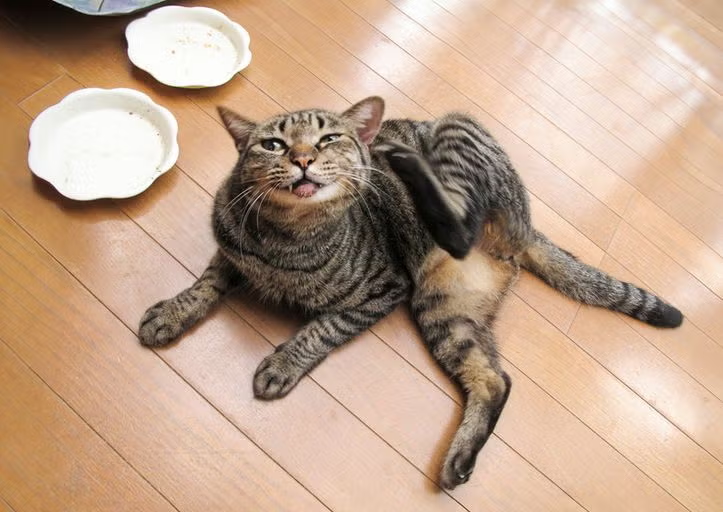
Flea Allergy Dermatitis in Cats
What Every Cat Parent in Central Florida Should Know
Here in Central Florida, fleas aren’t just a seasonal nuisance they’re a year-round reality. And for some cats, a single flea bite isn’t just annoying… it can turn into a full-blown medical issue.One of the most common skin conditions we see in cats is Flea Allergy Dermatitis (FAD) and it can make even the sweetest kitty absolutely miserable.
What Is an Allergy in Cats?
An allergy happens when your cat’s immune system overreacts to something that normally wouldn’t cause a problem. Instead of brushing it off, the body treats it like a major threat.
Cats can show allergies in a few different ways:
- Skin issues (most common) – itching, overgrooming, hair loss, scabs
- Respiratory signs – sneezing, coughing, watery eyes
- Digestive upset – vomiting or diarrhea
When it comes to fleas, the reaction is almost always skin-related and often intense.
Why Fleas Cause Such a Big Reaction?
Most cats with fleas may only itch a little even if they have several fleas. But a cat with flea allergy? One single flea bite can trigger days of severe itching.
That’s because the allergy isn’t to the flea itself it’s to the proteins in the flea’s saliva. When a flea bites to take a blood meal, it injects saliva into the skin. In sensitive cats, that tiny exposure can set off a dramatic immune response.We often don’t find fleas on these cats. They groom so well that they remove the evidence but the allergic reaction remains.
What Does Flea Allergy Look Like?
Cats with flea allergy dermatitis may:
- Chew or lick constantly
- Lose hair, especially near the base of the tail
- Develop scabs that feel like tiny seeds (often called miliary dermatitis)
- Have irritation around the neck, head, or legs
- Create open sores from excessive scratching
Because the itching can be so intense, secondary bacterial infections are common. That’s when the problem shifts from “itchy” to truly painful.
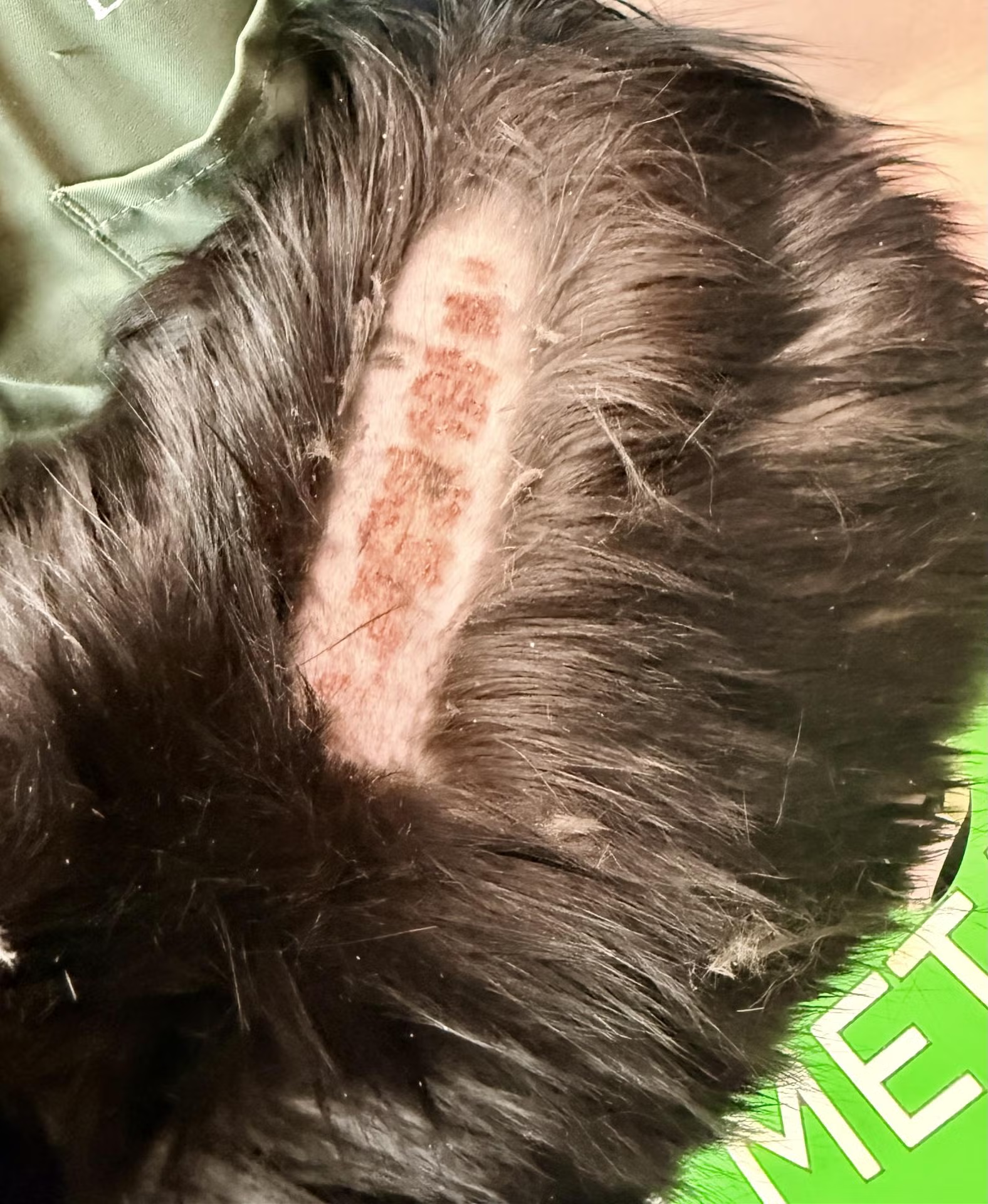
This is a indoor only kitty that was exposed to fleas by the family dog. She did not have an infestation but she was not on monthly flea prevention and just a few fleas caused a Flea Allergy Dermititis reaction in her. She shaved and cleaned her up and treated her with steroids and a topical ointment to provide her relief.
How We Diagnose It:
Often, the pattern of hair loss and itching gives us strong clues. Even if we don’t see fleas, the location and severity of symptoms can be very telling.In some cases, allergy testing (blood tests or intradermal skin testing) may help confirm the diagnosis. But many times, improvement with strict flea control confirms what we suspected.
The Most Important Treatment: Prevent Flea Bites
Since flea saliva causes the reaction, prevention is everything.In Florida’s warm climate, fleas survive and reproduce year-round. That means **monthly prevention isn’t optional — it’s essential.Even indoor-only cats are at risk. Fleas can hitch a ride inside on clothing, shoes, or other pets.
Modern prescription flea preventatives are:
- Safe
- Highly effective
- Easier to use than ever
- More affordable than treating chronic skin infections
We’re happy to help you choose the best option for your cat’s age, lifestyle, and health.
What If My Cat Is Already Miserable?
When itching is severe, we may need to step in to calm the immune response.
Treatment may include:
- Short-term corticosteroids to reduce inflammation and itching
- Antihistamines or omega fatty acids** for additional support
- Antibiotics if a skin infection has developed
- Targeted topical therapies
While steroids can be incredibly helpful, we use them thoughtfully and at the lowest effective dose to minimize side effects. Cats tend to tolerate them better than dogs, but careful management is still very important.
What About Allergy Shots?
Immunotherapy (allergy desensitization injections) is sometimes used for environmental allergies, but it is not commonly effective for flea allergy dermatitis in cats. Because flea control is so reliable, prevention remains the gold standard.
If your cat is:
- Overgrooming
- Losing hair near the tail
- Developing scabs on the neck or back
- Suddenly itchier than usual
It’s worth having us take a look.
At Markham Woods Animal Hospital, we understand how upsetting it is to watch your cat struggle with constant itching. The good news? With proper prevention and medical support, most cats with flea allergies live very comfortable, happy lives.
If you have concerns about your cat’s skin or flea prevention plan, give us a call — we’re here to help keep those tails flicking happily (and not from irritation).