

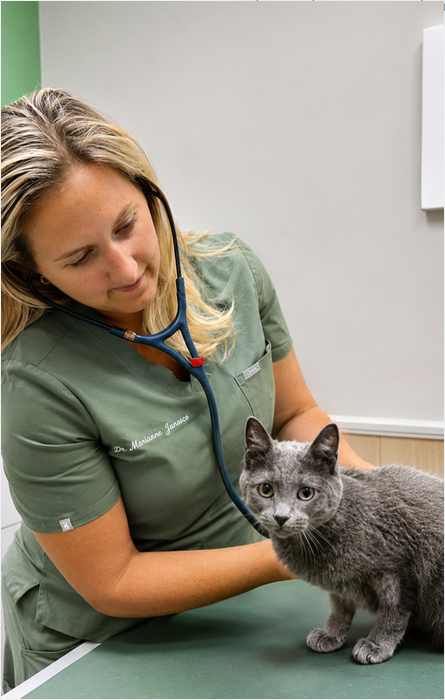
Ask the Vet: with Dr. Marianne Janosco
Cats are masters at hiding illness. As natural survivors, they often conceal signs of disease until a condition has progressed. This is one reason why recognizing subtle changes in your cat's behavior, appetite, weight, and daily habits is so important. One condition that can develop gradually and go unnoticed is diabetes mellitus, commonly known as diabetes.
Although receiving a diabetes diagnosis for your beloved feline companion can feel overwhelming, the good news is that diabetes is often manageable. With early detection, appropriate treatment, and consistent veterinary care, many diabetic cats can continue living happy, comfortable, and fulfilling lives.
What Is Feline Diabetes?
Diabetes mellitus occurs when a cat's body cannot properly regulate blood sugar, also called glucose. Insulin, a hormone produced by the pancreas, allows glucose to move from the bloodstream into the body's cells, where it is used for energy.
In diabetic cats, the body either does not produce enough insulin or does not respond appropriately to the insulin being produced. As a result, glucose builds up in the bloodstream while the body's cells struggle to obtain the energy they need.
Most diabetic cats develop a condition similar to Type 2 diabetes in humans, where insulin resistance plays a significant role.
While diabetes can affect cats of any age or breed, certain factors increase the risk, including obesity, advancing age, physical inactivity, and the use of certain medications, such as corticosteroids. Male cats are also diagnosed more frequently than females.
Recognizing the Warning Signs
One of the most important things cat owners can do is recognize the early symptoms of diabetes. Many of these changes develop gradually and may initially seem insignificant.
Common signs of diabetes in cats include:
-
Increased thirst: Your cat may begin drinking noticeably more water or visiting the water bowl more frequently.
-
Increased urination: You may notice larger clumps of urine in the litter box or find yourself cleaning it more often.
-
Increased appetite: Some diabetic cats seem constantly hungry, even immediately after eating.
-
Unexplained weight loss: Despite eating normally or even more than usual, your cat may begin losing weight.
-
Decreased energy: A once-playful cat may begin sleeping more, becoming less interactive, or showing reduced interest in favorite activities.
-
Changes in walking: Some diabetic cats develop weakness in their hind legs, causing them to walk with their hocks lowered toward the ground rather than on their toes.
Of these symptoms, increased drinking, increased urination, increased appetite, and weight loss are particularly characteristic of feline diabetes.
Because cats often develop these symptoms slowly, owners may attribute them to normal aging. However, unexplained weight loss or changes in drinking and urination should never be dismissed as simply getting older.
How Is Diabetes Diagnosed?
If your veterinarian suspects diabetes, diagnostic testing is necessary to confirm the condition and evaluate your cat's overall health.
At Markham Woods Animal Hospital, our veterinary team may recommend bloodwork and urinalysis to evaluate glucose levels, kidney function, and other important health indicators.
Diabetic cats typically have elevated blood glucose levels, and glucose may also be present in their urine.
However, cats have a unique response to stress. Even a routine veterinary visit can temporarily elevate their blood sugar, a condition known as stress hyperglycemia. For this reason, a single elevated blood glucose reading does not always mean a cat has diabetes.
Your veterinarian may recommend an additional blood test called fructosamine, which helps evaluate average blood glucose levels over the previous one to two weeks. This can help distinguish persistent diabetes from temporary stress-related elevations.
Additional testing may be recommended to identify other conditions that could complicate diabetes management, including infections, pancreatitis, or hormonal disorders.
Early diagnosis is especially important because untreated diabetes can lead to serious complications.
Treating Diabetes: More Options Than Ever Before
The treatment of feline diabetes has advanced significantly, giving veterinarians more options to help manage the disease.
For many years, insulin injections have been the primary treatment for diabetic cats, and insulin remains an effective and important option today.
Insulin Therapy
Insulin is typically administered through small injections beneath the skin, often twice daily, depending on the insulin prescribed. Although the thought of giving injections may initially seem intimidating, most owners quickly become comfortable with the process.
The needles are very small, and many cats tolerate injections remarkably well.
Your veterinary team will help you understand proper administration, medication storage, feeding schedules, and how to recognize signs of blood sugar that may be too low or too high.
Newer Oral Treatment Options
Some newly diagnosed diabetic cats may qualify for newer oral medications, such as Bexacat or Senvelgo, which help lower blood glucose by increasing the amount of glucose eliminated through the urine.
These medications are not appropriate for every diabetic cat. Careful screening is essential, and cats that have previously received insulin generally are not candidates. Certain underlying illnesses also make these treatments unsuitable.
Importantly, these medications carry a risk of diabetic ketoacidosis, a potentially life-threatening complication that can sometimes occur even when blood glucose is not particularly elevated. Close veterinary monitoring is essential.
Your veterinarian will determine which treatment is safest and most appropriate based on your cat's individual health, medical history, and diagnostic results.
The Importance of Diet and Weight Management
Nutrition plays a major role in managing feline diabetes.
Many diabetic cats benefit from a diet that is high in protein and low in carbohydrates. In some cases, prescription therapeutic diets may be recommended to help improve blood glucose regulation.
For overweight cats, gradual and carefully monitored weight loss can improve insulin sensitivity. However, rapid weight loss or prolonged periods without eating can be dangerous for cats.
It is also important to understand that changing a diabetic cat's diet can significantly affect their insulin requirements. Never make major dietary changes or adjust insulin doses without guidance from your veterinarian.
Consistency is especially valuable. Maintaining a predictable feeding routine, monitoring appetite, and providing appropriate daily activity can make diabetes easier to manage.
Monitoring and Lifelong Care
Managing diabetes is not simply about administering medication. Regular monitoring helps ensure that treatment remains effective and safe.
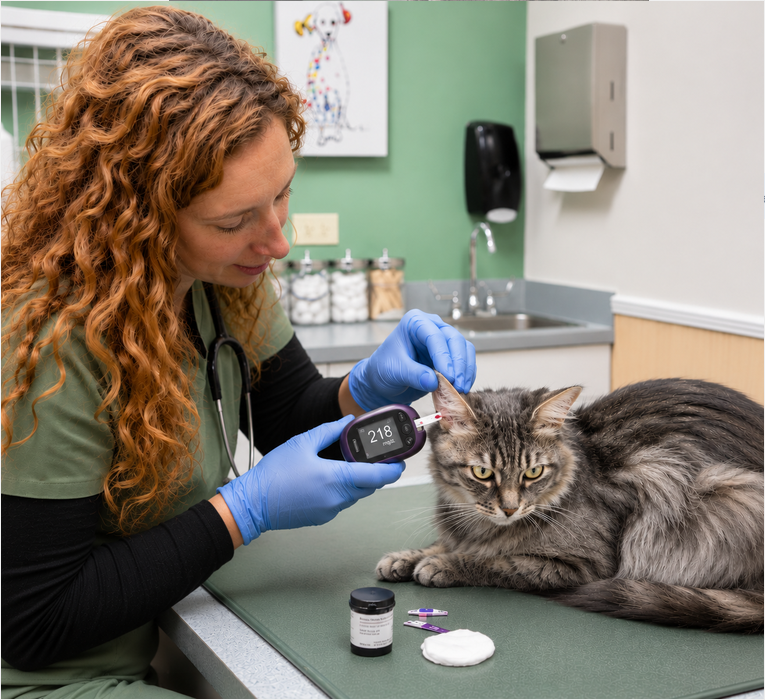
Depending on your cat's treatment plan, your veterinarian may recommend blood glucose curves, periodic fructosamine testing, urine testing, or home glucose monitoring.
A blood glucose curve involves checking glucose levels at scheduled intervals to evaluate how the body responds to insulin throughout the day.
At home, owners can play an important role by monitoring water consumption, appetite, body weight, energy levels, and litter box habits.
Some owners also learn to monitor blood glucose using a handheld glucose meter or continuous glucose monitoring device, when recommended by their veterinarian.
Keeping a simple daily record of these observations can provide valuable information during follow-up appointments.
Can Cats Go Into Diabetic Remission?
One encouraging aspect of feline diabetes is that some cats can achieve diabetic remission.
Remission occurs when a cat is able to maintain normal blood glucose levels without requiring insulin or other glucose-lowering medication.
This is more likely in certain cats when diabetes is diagnosed early, blood glucose is effectively controlled, and contributing factors such as obesity are addressed.
However, remission is not guaranteed, and even cats that achieve remission require ongoing monitoring because diabetes can return.
When Diabetes Becomes an Emergency
Untreated or poorly controlled diabetes can sometimes lead to a dangerous condition called diabetic ketoacidosis (DKA).
Warning signs include vomiting, refusing food, severe lethargy, weakness, dehydration, and abnormal breathing. A diabetic cat displaying these symptoms requires immediate veterinary attention.
Cats receiving insulin can also develop dangerously low blood sugar, known as hypoglycemia. Signs may include sudden weakness, trembling, disorientation, difficulty walking, seizures, or collapse.
If your diabetic cat suddenly becomes ill, contact a veterinarian immediately. Severe symptoms warrant emergency veterinary care.
A Diabetes Diagnosis Is Not the End of a Happy Life
Hearing that your cat has diabetes can be frightening, but it does not mean your companion cannot continue enjoying a wonderful quality of life.
With appropriate medication, nutritional support, routine monitoring, and a strong partnership between you and your veterinary team, many diabetic cats thrive for years after diagnosis.
At Markham Woods Animal Hospital, we understand that every cat is unique, and diabetes management should never be a one-size-fits-all approach. Our goal is to help families understand their cat's condition, feel confident providing care at home, and make informed decisions throughout their pet's life.
If you have noticed your cat drinking more water, losing weight, eating excessively, or displaying changes in litter box habits, we encourage you to schedule a veterinary examination.
Early detection can make a meaningful difference in your cat's health, comfort, and future.
Markham Woods Animal Hospital — Beyond Medicine… For the Pets Who Are Family!